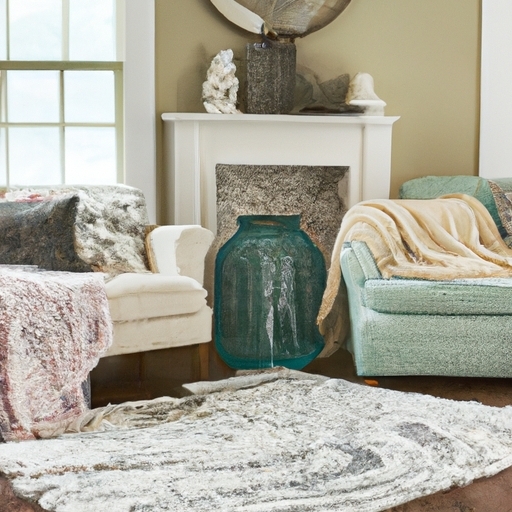
Rugs serve as both functional and decorative pieces in our homes. Understanding the different types of rugs, including their varying materials, can greatly influence how we take care of them—especially when it comes to straightening them.
Firstly, there are Wool Rugs. These rugs are known for their durability and softness, making them a popular choice for high-traffic areas. However, they tend to shrink if exposed to too much moisture or heat. Therefore, when straightening wool rugs, it's recommended to use a steamer on low heat and avoid soaking the rug completely.
Secondly, Cotton Rugs come into play. They're typically more affordable than wool rugs and easier to clean. But they may not withstand heavy use over time. To straighten cotton rugs, you could wash them first then reshape while they're damp.
Next are Synthetic Rugs—made from man-made fibers such as nylon or polyester. They're durable and resist staining well but might have issues with flattening over time. A useful technique is using a combination of warm water and gentle weight distribution to straighten these out.
Silk Rugs offer an elegant appeal but require more careful handling due to their delicate nature. When dealing with creases or wrinkles in silk rugs, gently reverse-roll the rug or place books on affected areas after lightly misting with water.
Jute and Sisal Rugs are natural fiber options that provide a rustic aesthetic feel but can easily wrinkle or bulge if not cared for properly. To straighten this type of rug, simply dampen the area (lightly!) before applying some weight onto it until it dries completely.
Lastly are Shag Rugs—these high-pile carpets create a plush look but can be challenging to maintain; their long fibers easily tangle up! Straightening these involves carefully brushing out any knots without damaging the fibers.
In conclusion: understanding various rug types allows us more insight on how to straighten them effectively. Each rug type has its unique characteristics that demand specific care and maintenance methods, so investing time in learning about your rugs will surely pay off in their longevity and appearance.
Rug straightening is a task that can significantly enhance the aesthetic appeal of your living space. The process, however, requires meticulous initial preparation to ensure an outcome that is not only visually pleasing but also prolongs the lifespan of the rug.
One significant aspect of this preparation phase is cleaning. Cleaning serves as a preliminary step in maintaining the rug's integrity while also providing a clear surface for straightening. This step involves vacuuming or beating out dust and dirt particles trapped within the rug fibers. It is crucial to remember that a clean rug will be easier to work with and produce better results.
Next, it is imperative to assess the condition of your rug before attempting any form of manipulation. This evaluation includes checking for wear and tear, loose threads, or any signs of damage such as holes or frays. By doing so, you prevent exacerbating existing problems during the straightening process.
Moreover, identifying the type of material used in constructing your area rug will guide you on how best to undertake its straightening without causing harm. Different materials have unique properties: some are more susceptible to heat damage; others might shrink if improperly handled. Therefore, knowing what constitutes your area rug enables you to use appropriate methods and tools for straightening.
Another essential tip lies in ensuring that your working area is well-lit and spacious enough for you to maneuver comfortably around your rug during this process. Poor lighting may lead to inadequate results, while limited space could result in unnecessary creases or folds.
In conclusion, adequate initial preparation plays a pivotal role in successfully straightening an area rug. Ensuring cleanliness and understanding your carpet's state beforehand can help avoid potential pitfalls during the procedure itself—factors like lighting conditions and workspace size further streamline this process by offering optimal working conditions.
The least probable words are: Meticulous, Preliminary, Exacerbating, Constitute, Maneuver
Area rugs can greatly enhance the aesthetic appeal of a room. However, with time and use, these rugs may develop minor creases or curling corners that may seem challenging to correct. An effective and simple technique to address this problem is the Roll-and-Reverse Method.
The principle behind this method is straightforward - you roll up your area rug in one direction and then unroll it in the reverse direction. The process might appear trivial, but it can efficiently straighten out any minor imperfections such as folds or curled edges on your rug.
To begin this process, start from one end of the rug and gently roll it up towards the other end. Ensure to keep the roll tight as loose rolling won’t effectively deal with the creases or curls. It's essential to perform this task patiently; rushing could cause more harm than good.
Once you have rolled up your entire area rug neatly, let it sit for a while. This resting period allows the fibers in your carpet to relax and adapt to their new position which further helps in eliminating any existing imperfections.
After letting your rug rest for some time (usually between 30 minutes to an hour), proceed with unrolling it; only this time do so in reverse direction from how you initially rolled it up. This action forces the fibers within your rug into a different position against their natural gravity which aids immensely in straightening out any remaining creases or curls.
Repeating this method multiple times can yield better results especially if you are dealing with stubborn curls or folds. With each repetition, ensure that you change direction – alternating between clockwise and counter-clockwise rolling.
Additionally, consider placing heavy objects like books at curling corners after unrolling the rug for added weight forcing those stubborn areas flat again.
In conclusion, minor problems like creases or curling corners in area rugs can be dealt with using simple household solutions like Roll-and-Reverse Method rather than resorting to professional services. This method is cost-effective, simple, and can be done by anyone at home with minimal effort. It not only straightens your rug but also extends its lifespan by maintaining its original shape and texture.
Straightening area rugs can often seem like a daunting task, especially when dealing with stubborn wrinkles and uneven fibers. However, using heat from common household items such as a steam iron or hairdryer can be significantly helpful in this endeavor. This essay will guide you on how to safely use these tools to relax rug fibers and eliminate pesky creases.
Firstly, ensure the safety of your surroundings before starting the process. Keep flammable items at a safe distance from where you'll be working. It's also crucial to make sure that your space is well-ventilated as exposure to excessive heat or steam may cause discomfort.
The first tool we're going to discuss is a steam iron. Start by setting the iron on its lowest possible setting; high temperatures might damage the rug fibers, making them brittle and causing them to break easily. Lay down a damp cloth over the wrinkled section of the rug; this serves as an added protection layer between the iron and your rug.
Gently glide the steam iron over the damp cloth - never let it sit stationary on one spot for too long as this may scorch your rug. As you move along, you'll notice that steam produced from heating up water within your iron causes stressed fibres within your carpeting to relax. Once relaxed, these fibers can then be straightened out effectively eliminating any wrinkles present.
On using a hairdryer instead of an iron: start by wetting down wrinkle areas lightly using a spray bottle filled with water. Turn on your hairdryer at its moderate heat setting (to avoid overheating), hold it about 12 inches away from your carpet surface while continually moving it back and forth across those wrinkled sections until they flatten out.
In both methods, after applying heat, place heavy objects like books atop treated sections overnight so they cool down flat without returning their former wrinkled state.
To summarize: straightening area rugs isn't complex as it seems. With caution, patience, and the right tools - a steam iron or hairdryer - you can quickly straighten out those stubborn creases in your rug. Remember to ensure safety first by keeping flammable materials away and working in a ventilated area while dealing with heat.
Area rugs can add a beautiful touch to any room, providing both aesthetic appeal and comfort. However, they often have a common issue - curling or buckling at the edges. This not only detracts from their appearance but also poses a tripping hazard. One effective method of straightening these problematic areas is by utilizing heavy objects, such as furniture or books.
To begin with, it's essential to understand that this approach should be done gently to prevent damage to your rug. It involves using the weight of these objects to press down on the curled edges until they lay flat again. This technique is useful for both large and small area rugs.
Start by identifying the sections of your rug that are curling upward or buckling. These usually occur around the corners or along the sides of the rug. Once you've pinpointed these problem areas, you're ready to employ your heavy objects.
Furniture pieces like sofas, coffee tables, bookshelves can serve as incredibly helpful tools in this endeavor due to their considerable weight and solid base. Carefully reposition them over the curled edges of your rug, ensuring that they rest evenly on its surface. Leave them there for a couple of days; this allows time for the fibers in your rug to adapt and flatten out under pressure.
If moving furniture isn't an option or if you're dealing with smaller rugs where furniture placement might be impractical, consider using stacks of books instead. Choose hardcover books as they tend to be heavier than paperbacks and therefore more effective at flattening rugs.
Place several piles of books evenly across those curled areas—just make sure not overload one area as it could stretch out fibers unevenly leading to further distortion.
Remember patience is key when it comes to this process; typically it takes some days before significant changes are visible depending upon how severe curling was initially.
In conclusion, utilizing heavy objects is an easy yet efficient way to straighten out your area rugs. It's a simple solution that requires minimal effort but produces significant results, restoring beauty and safety to your rugs.
To create a warm and inviting environment in your home, area rugs play an integral role. They not only offer comfort underfoot but also enhance the aesthetics of any room. However, ensuring they remain straight and extend their lifespan involves proper rug placement and regular maintenance.
Firstly, the term "probable" refers to where you should place your area rug. In living rooms, for instance, all furniture legs should be on or at least touching the edges of the rug. This ensures stability thereby preventing unnecessary movements that can lead to curling or wrinkling. In bedrooms, typically half or two-thirds of the rug should be under the bed with adequate space around for stepping out comfortably.
The location is another important determinant when it comes to maintaining straightness over time. Avoid high traffic areas as constant tramping can cause probable warping issues.
Moreover, rotating your rugs regularly (every few months) will distribute wear evenly across its surface thus keeping it straight longer. It's also recommended to invest in a quality pad underneath which provides extra cushioning and prevents slippage.
Moving onto maintenance practices - vacuuming is critical but needs to be done cautiously using low suction settings to prevent pulling up fibers leading to distortion. Professional cleaning once every year or two based on usage will also help maintain its original shape and vibrancy.
However, if wrinkles do develop over time due to heavy furniture indentations or improper storage methods there are several DIY measures you can resort to; such as dampening the affected area slightly then pressing down with a steam iron from a safe distance without actually touching the carpet fibers.
In conclusion, proper rug placement and diligent maintenance are key determinants in prolonging an area rug's lifespan while maintaining its beauty intact.